Why the Black Church
A Legacy of Leadership
The Black church has always been more than a place of worship.
For generations, it has been one of the most powerful institutions in Black communities — serving as a center for education, organizing, leadership development, and social transformation.
During slavery, churches were often the only spaces where Black people could gather, share information, and organize collectively.
During the Civil Rights Movement, churches became the organizing headquarters for boycotts, voter registration drives, and community mobilization.
Leaders such as Dr. Martin Luther King Jr., Rev. Fred Shuttlesworth, and countless local pastors used the church as a base for advancing justice and expanding democracy.
The Church as Community Anchor
Today, Black churches continue to serve as trusted institutions in communities across Alabama.
In many areas — particularly rural communities and Black Belt counties — churches remain one of the most consistent and connected institutions serving residents.
They are places where:
- community members gather
- relationships are built
- leadership is developed
- collective action can take place
Because of this deep trust, churches are uniquely positioned to help communities engage in the democratic process.
Reclaiming a Legacy of Civic Engagement
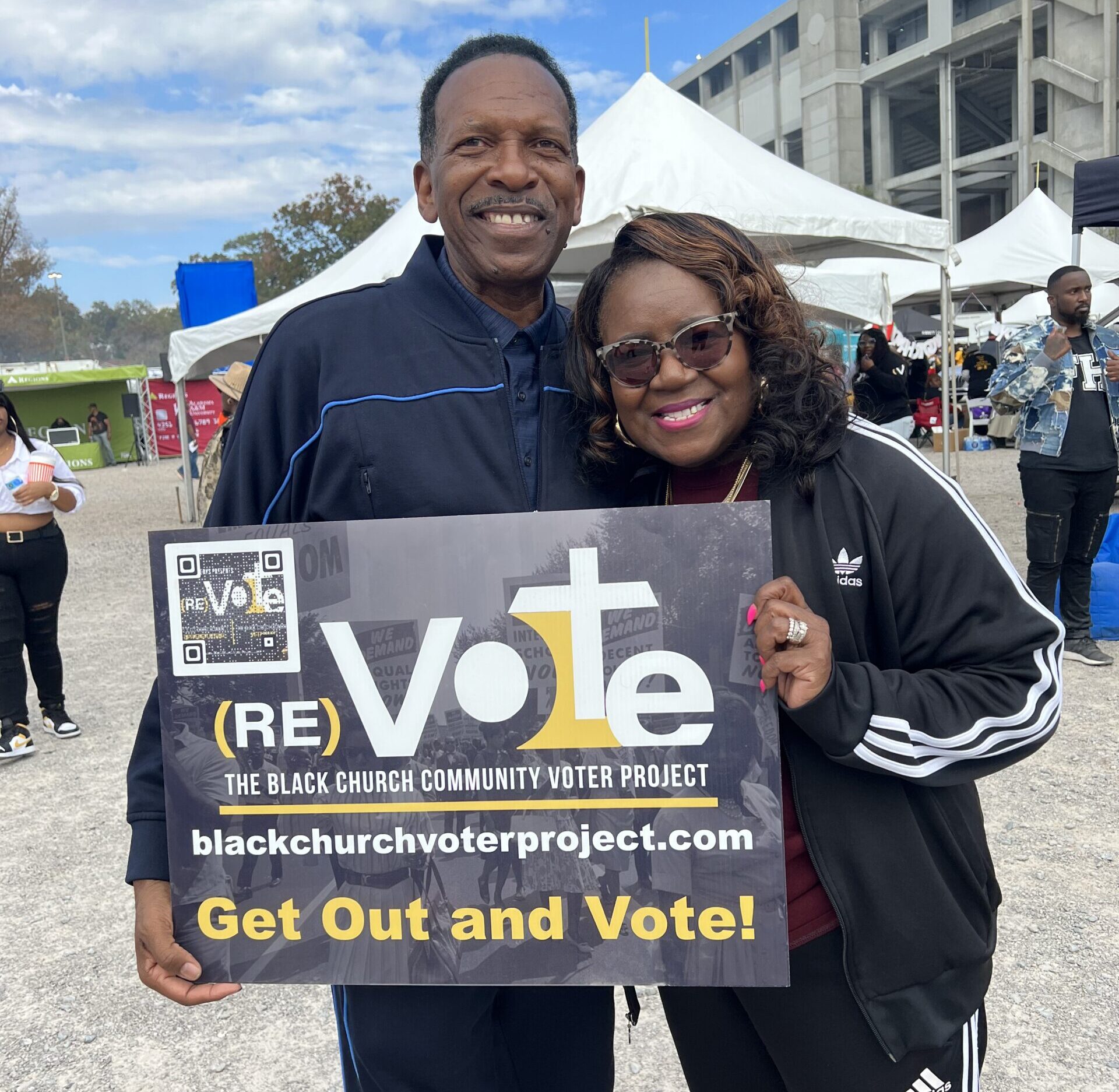
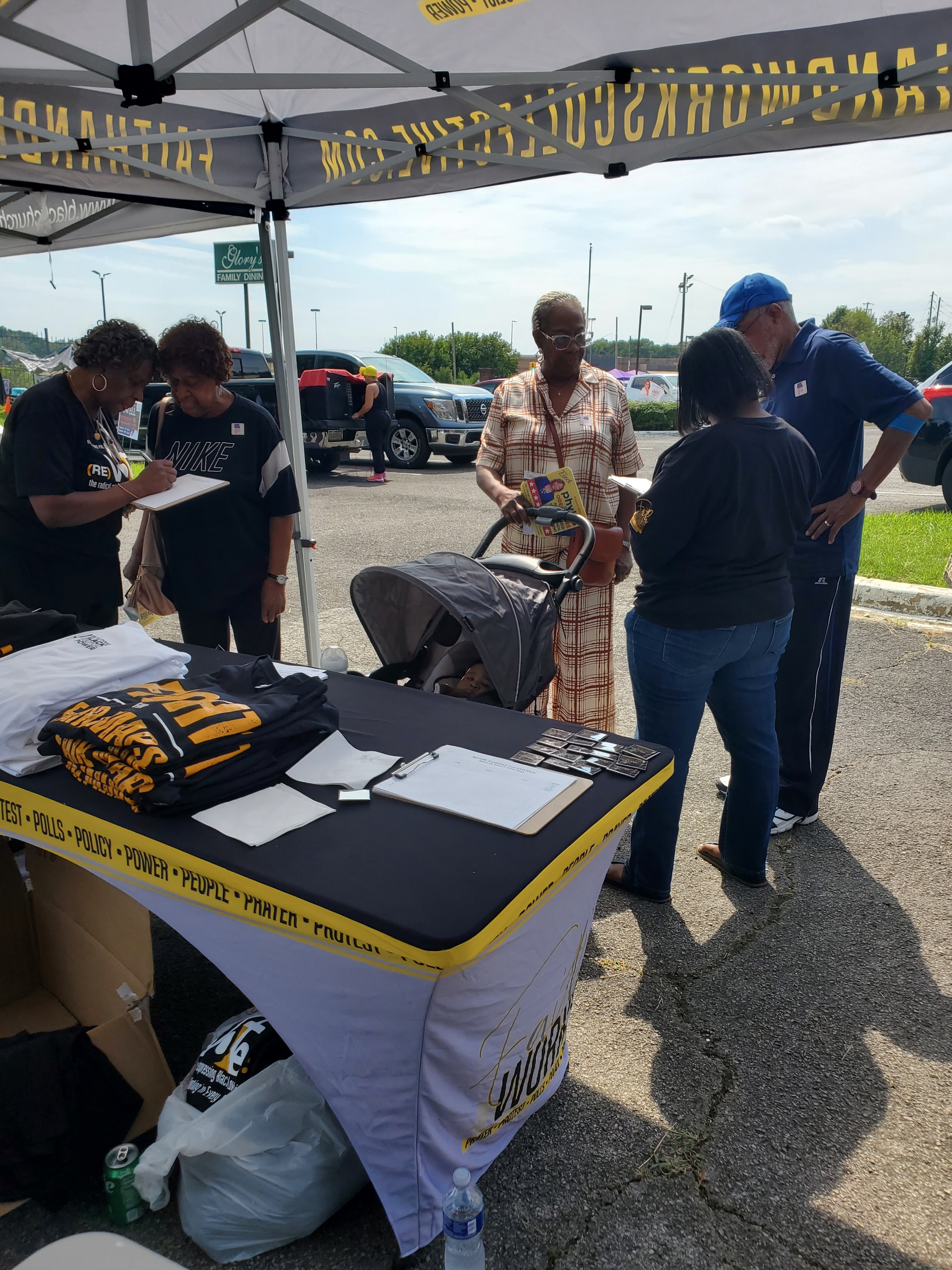
ReVote builds on this historic legacy by supporting churches that want to play a stronger role in strengthening civic participation.
Through Civic Engagement Ministries, churches can:
- educate their congregations about voting
- engage neighbors in the surrounding community
- develop new leaders within the church
- help ensure that their communities are represented in local elections
This work is not partisan.
It is about empowering communities with the information and tools they need to participate fully in democracy.